

The Allure of Risk and Reward
The psychology of casino games is deeply rooted in the human attraction to risk and reward. Players are drawn to the thrill of potentially winning significant amounts of money. This allure is often reinforced by the design of the games, which incorporate elements of chance that create a sense of unpredictability. This uncertainty heightens excitement and engages players, making them more likely to participate repeatedly in the hopes of striking it rich. For those interested in the broader context of risk, engaging in poker online real money can be an exhilarating experience.
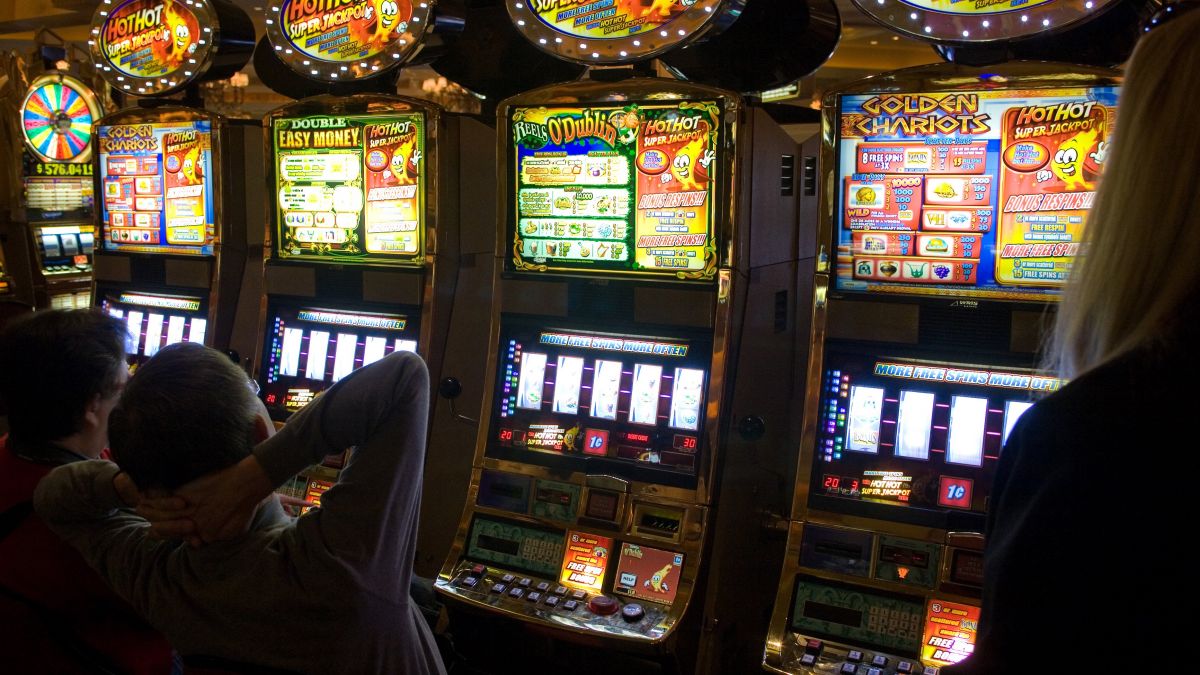
Moreover, the reward mechanisms in casino games, such as jackpots and bonuses, tap into the brain’s reward system, releasing dopamine. This chemical response reinforces the desire to engage in the behavior again, creating a cycle of play that can be difficult to break. The anticipation of a win can make even losses feel less impactful, as players focus on the potential for future gains.
The Role of Environment in Gambling Behavior
The physical and social environments of casinos significantly influence gambling behavior. Casinos are designed to be visually stimulating, with bright lights, engaging sounds, and vibrant colors that create an immersive experience. This sensory overload helps to keep players engaged and encourages longer sessions of play. Additionally, the layout is carefully crafted to encourage players to move from one game to another, fostering a continuous cycle of gambling.
Social interactions also play a crucial role in the psychology of casino games. Many players enjoy the communal aspect of gambling, where they can share excitement and disappointment with fellow gamblers. This social element can amplify emotions associated with wins and losses, making the experience more enjoyable and encouraging repeated visits to the casino.
Cognitive biases significantly impact how players make decisions while gambling. One common phenomenon is the «gambler’s fallacy,» where individuals believe that past outcomes influence future results in random games. For example, a player might think that after several losses, a win is «due,» leading them to gamble more than they normally would. This faulty reasoning can result in larger bets and greater losses.
Another relevant bias is the illusion of control, where players believe they can influence the outcome of a game of chance. This belief often encourages riskier gambling behaviors, as players may overestimate their skill or knowledge regarding the game. Such cognitive distortions are exploited by casinos, which create environments that reinforce these misperceptions, ultimately increasing the time and money spent by players.
Emotions play a significant role in gambling decisions and behaviors. Players often gamble to escape from stress, anxiety, or boredom, seeking the emotional highs associated with winning. The highs and lows of gambling can lead to a rollercoaster of emotions that keeps players coming back for more. This emotional volatility can also make it harder for individuals to recognize when they are gambling excessively.
Additionally, the relationship between emotions and gambling can lead to problematic behaviors. For those who use gambling as a coping mechanism, losses can result in feelings of shame or guilt, which may drive them to gamble even more in an attempt to recover their losses. This cycle can have detrimental effects, both financially and emotionally, reinforcing the need for responsible gambling practices.

This website offers crucial information regarding security and accessibility within the digital gambling space. With the rise of online casinos, ensuring user safety has become paramount. The content focuses on protecting users from online threats while providing a secure gambling experience. It emphasizes the importance of using reputable platforms and understanding the measures that can be taken to enhance personal security.
Moreover, the website guides users who may encounter access issues, advising them on communicating effectively with site owners for clarity and resolution. This approach not only enhances user security but also improves interactions with online gambling platforms, ensuring a safer and more enjoyable experience for all players engaged in the digital casino landscape.